

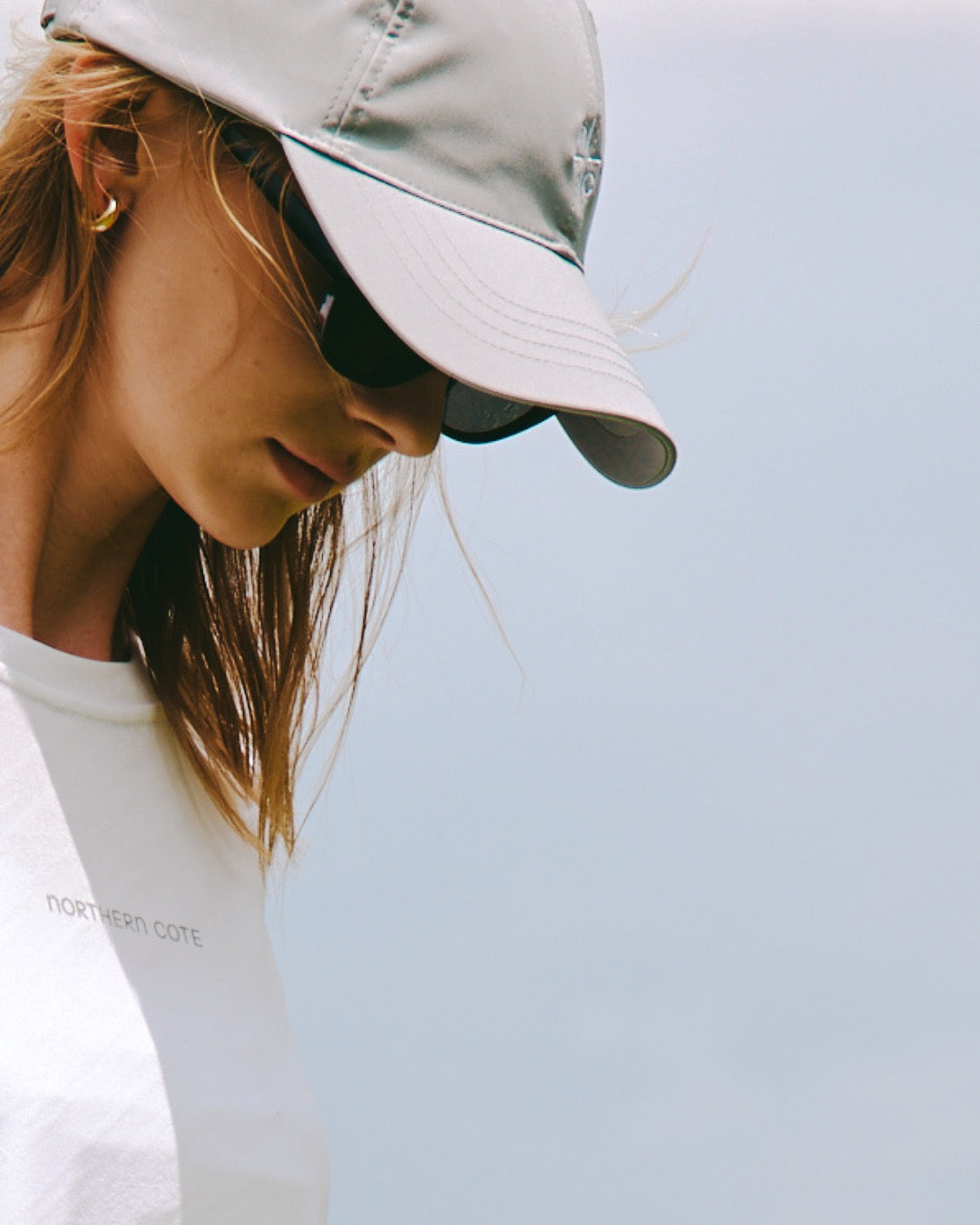
Summer changes everything about how you run. The routes stay the same, the distance stays the same — but the clock shifts. Serious runners know it instinctively: in the height of summer, you run early or you run late. You chase the golden hour.
There is science behind this instinct.

Why Morning Works
In the early hours, before the city fully wakes, air temperature is at its lowest point of the day. For runners, this matters more than it might seem. Heat is one of the primary factors that elevates perceived effort — the same pace that feels comfortable at 22°C can feel significantly harder at 32°C. Running in cooler air allows the body to regulate its core temperature more efficiently, which means less energy spent on cooling down, and more available for the run itself.
Morning running also aligns with the body's natural cortisol rhythm. Cortisol — often called the stress hormone — peaks in the early hours as part of the body's wake cycle. For runners, this translates into a natural alertness and readiness for physical exertion that is harder to replicate later in the day.
There is something else, too. The city at 6am belongs to a different kind of person. She is not rushing. She is not performing. She is simply moving — and in that quiet, something clarifies.

Why Evening Works
By early evening, the heat has begun to release its grip. Temperatures drop, the light softens, and the body — having been in motion all day — is paradoxically better prepared for a run than it was at dawn.
Core body temperature peaks in the late afternoon and early evening, which means muscles are warmer, more pliable, and less prone to injury. Reaction time improves. Oxygen uptake becomes more efficient. For many runners, their fastest, most fluid kilometres happen not at sunrise, but in the hour before the sky turns dark.
Evening running also carries a different kind of reward. Where a morning run sets the tone for the day ahead, an evening run draws a line beneath it. The rhythm of footfall becomes a way of processing — of leaving the day behind, stride by stride.

What Both Have in Common
Whether she runs at dawn or dusk, the golden hour runner shares one thing: she has learned to work with her body, not against it. She has found the conditions that make movement feel less like effort and more like release.
The gear she reaches for reflects this. Nothing that pulls, restricts, or demands attention mid-stride. Fabric that moves when she moves, breathes when she breathes, and disappears the moment she starts running.
That is what the Golden Hour Run edit is built for. Wherever you are — Hong Kong, Macau, Australia, or beyond — we'll find you. Free worldwide shipping on orders over $120.

FAQ
Is morning or evening running better for burning fat?
Both can be effective, but the difference is minimal compared to consistency and overall effort. Morning runs tap into lower glycogen levels after an overnight fast, which may encourage fat utilisation — but evening runs often feel stronger and faster due to higher body temperature and peak muscle performance. The best time to run is the time you will actually show up for.
How do I choose between leggings and shorts for running?
It comes down to personal preference, temperature, and terrain. Leggings offer more coverage and compression, which some runners find supportive on longer distances or cooler mornings. Shorts allow greater airflow, making them a natural choice for warmer evening runs or high-intensity intervals. Many runners keep both and choose based on the conditions of the day.
What's the difference between two-way and four-way stretch for running?
Two-way stretch fabric extends in one direction — typically horizontal — which offers some flexibility but can feel restrictive during dynamic movement. Four-way stretch extends both horizontally and vertically, moving with the body in every direction. For running, four-way stretch is the preferred construction: it accommodates the full range of leg movement without pulling or bunching, and returns to shape cleanly after each stride. Northern Cote leggings are built with four-way stretch as standard.
*Based on general sports science research. Individual results may vary.
分享:
The Last Kilometre
Two Hours, One City