

There's a particular kind of freedom that comes from opening your closet and knowing exactly what to wear. Not because your options are limited, but because every piece serves a purpose, fits perfectly, and makes you feel like the best version of yourself.
This is the promise of a minimalist wardrobe—not deprivation, but intentionality. Not emptiness, but clarity.

The Problem With More
The average person wears only 20% of their wardrobe regularly. The rest hangs there, accumulating dust and guilt—items bought on impulse, trends that didn't suit you, pieces that almost fit but never quite felt right. Every morning becomes a paradox: a closet full of clothes, yet nothing to wear.
This isn't just about physical clutter. It's decision fatigue. It's the low-grade anxiety of owning things you don't love. It's the environmental weight of fast fashion's disposable cycle.
The minimalist approach offers an alternative: fewer pieces, chosen with care, worn with confidence.

Redefining "Enough"
Minimalism in wardrobe isn't about owning exactly 33 items or adhering to someone else's capsule formula. It's about understanding what "enough" means for your life.
For some, it's a streamlined collection of 40 versatile pieces. For others, it's 70 carefully curated items that span all seasons and occasions. The number matters less than the intention behind each choice.
Ask yourself: Does this piece earn its place in my closet? Will I reach for it repeatedly? Does it work with multiple other items? Most importantly—does it feel like me?
The Foundation: Investment Pieces
A minimalist wardrobe begins with foundations—pieces so well-made and versatile that they become the backbone of countless outfits.
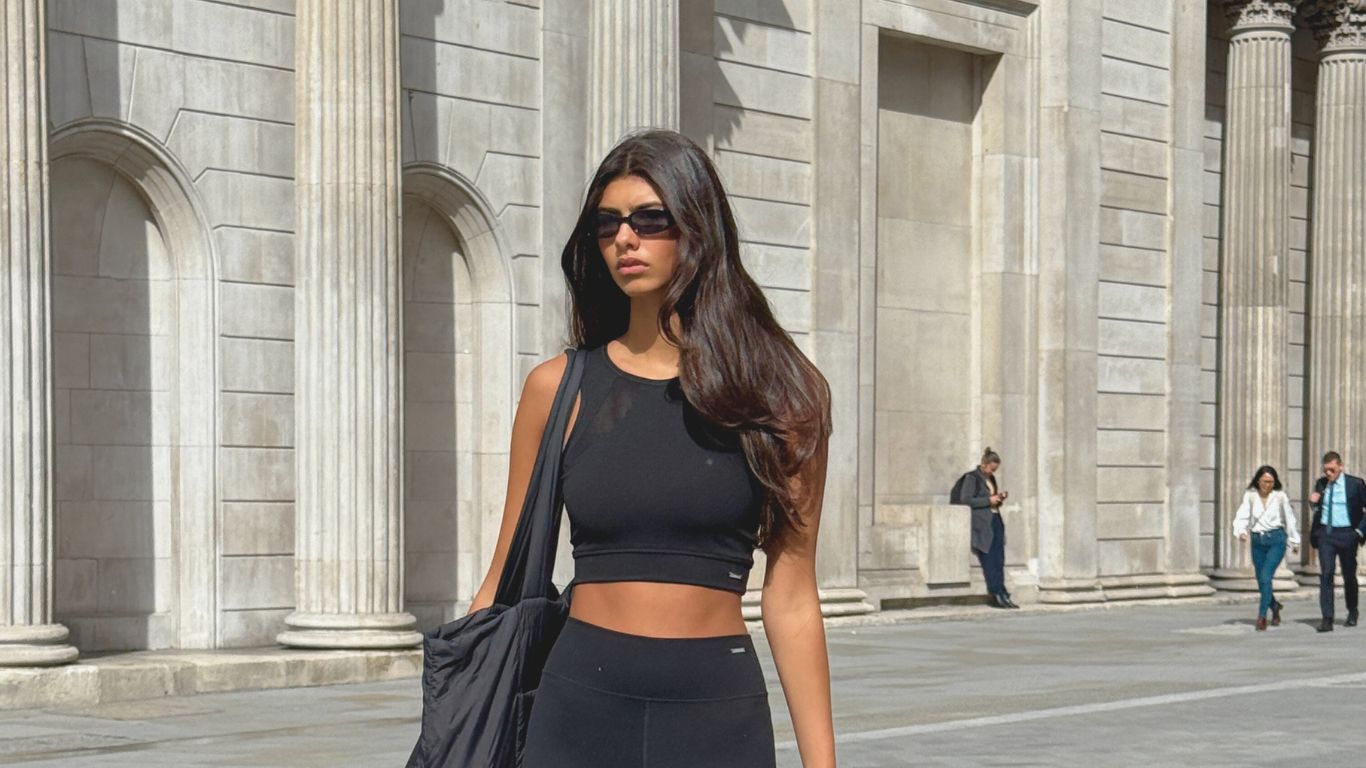
The Second-Skin Essential: Think of activewear that moves with you so seamlessly it feels invisible. Seamless construction eliminates bulk and irritation, creating pieces you can wear from morning practice to afternoon meetings. When sportswear is crafted with this level of consideration, it transcends categories—it becomes daily uniform material.
The Perfect Neutral: A well-cut piece in a neutral tone is worth five trendy items. Black, grey, sand, navy—these aren't boring; they're blank canvases. They let you focus on fit, fabric, and how you carry yourself rather than competing for attention.
The Reliable Layer: Temperature regulation is underrated. A quality mid-layer—whether it's a sleek track jacket or refined hoodie—bridges seasons and contexts. Indoor to outdoor. Casual to elevated. It's the piece that makes "I have nothing to wear" impossible.

Material Matters
Here's what fast fashion doesn't advertise: fabric quality determines how long you'll actually want to wear something. A cheap piece might last physically, but if it pills after three washes or loses its shape, it's functionally disposable.
Quality fabrics breathe. They regulate temperature naturally. They maintain structure without being rigid. Sustainable yarns—like recycled materials and innovative natural blends—often outperform conventional options because the technology behind them is newer, more considered.
Touch matters. When fabric feels good against your skin, you reach for that piece first. This is why seamless sportswear has revolutionized not just athletics but everyday dressing—it eliminates the small irritations that make you want to change clothes the moment you get home.

The Art of Versatility
A minimalist wardrobe thrives on pieces that traverse boundaries—literal and conceptual.
Sportswear no longer means "gym only." Contemporary design has evolved pieces that work equally well for a trail run, a casual dinner, or a focused work session at a café. This isn't about athletic wear trying to pass as formal clothing—it's about redefining what's appropriate through quality and design.
The key is fit and finish. Elevated sportswear cuts closer to the body without restricting movement. Details are refined. Fabrics have substance. When these elements align, a single outfit can carry you through an entire day's varied contexts.
Building Your Minimalist Wardrobe
Start with subtraction, not addition. Remove everything you haven't worn in six months (seasonal items excepted). Be honest about the "someday" pieces—if someday hasn't come yet, it probably won't.
What remains reveals your actual style, not your aspirational one. This is your truth wardrobe.
From here, identify gaps strategically:
- What activities do you do regularly that you don't have appropriate clothing for?
- What weather conditions do you face?
- What occasions require specific dress codes?
Then—and only then—add thoughtfully. One exceptional piece beats five mediocre ones. Always.
The Cost-Per-Wear Calculation
Quality costs more upfront. This is the minimalist wardrobe's greatest barrier and its strongest argument.
A premium piece worn 100 times costs less per wear than a cheap item worn five times before it loses appeal. Factor in environmental cost, and the math becomes even more compelling.
This shifts the question from "Can I afford this?" to "Can I afford not to invest in pieces that last?"

Care as Practice
A minimalist wardrobe demands engagement. These pieces aren't disposable, so you learn to care for them—proper washing, air drying when possible, prompt repair of minor issues.
This care becomes meditative. It's a rejection of throwaway culture and an embrace of stewardship. Your clothes become companions in your daily life, evolving with you rather than being discarded when trends shift.
Seamless construction actually simplifies care—no seams to weaken, no loose threads to unravel. Quality fabric holds its integrity through repeated wear. These aren't delicate pieces that require kid-glove treatment; they're workhorses built to last.
Beyond the Closet
The real transformation of minimalist dressing isn't what's in your closet—it's what happens to your mind.
Decision fatigue evaporates when you know every option is good. You spend less time shopping and more time living. You become less vulnerable to trend cycles and marketing manipulation. You develop a stronger sense of personal style because you're working with a coherent collection rather than a random accumulation.
Getting dressed becomes effortless. Not because your choices are limited, but because they're refined.

Living With Intention
There's something profound about knowing that what you're wearing was made with consideration—for the environment, for the people who crafted it, for your body's comfort and movement. It changes how you move through your day.
Quality over quantity isn't just a shopping strategy. It's a life philosophy. It's choosing depth over breadth, intention over impulse, lasting value over temporary satisfaction.
Your wardrobe becomes a tool for exploring life's boundaries—urban adventures, physical challenges, quiet moments of reflection—rather than a source of morning stress. Each piece becomes a trusted companion, ready for wherever the path leads.
That's the freedom worth choosing: not more options, but better ones. Not a full closet, but a fulfilled life.
What would your ideal minimalist wardrobe look like? Start with one piece you'd never want to be without, and build from there.
Share:
Seasonal Activewear: Workout Clothing That Works All Year Long
Weekend Micro-Adventures Near You